Real or Rehearsed? How to Tell When Your Favorite Stars Are Actually Being Themselves
Scroll through your Instagram feed on any given Tuesday and you'll find at least three celebrities having what appears to be a completely unfiltered moment. A candid poolside photo with bad lighting. A voice memo rant about airline food. A crying selfie with a vague caption about "going through it." It all feels so real, so relatable — and that's exactly the point.
The uncomfortable truth about modern celebrity culture is that "authenticity" has become its own genre of performance. And audiences are starting to notice the seams.
The Business of Seeming Real
Here's the thing nobody wants to admit: looking unpolished takes a lot of polish. Celebrity PR teams, social media managers, and brand consultants spend serious hours engineering what feels like spontaneity. A "messy bun" photo posted at 11 PM on a Wednesday? Probably scheduled two days in advance. That "off-the-cuff" comment about a breakup during a press junket? Cleared by a publicist before the words even left the star's mouth.
Media psychologist Dr. Pamela Rutledge, who studies how audiences connect with public figures, has pointed out that the brain is wired to reward perceived authenticity with trust — and celebrities know it. "When someone appears vulnerable or unguarded, we instinctively lower our defenses," she's noted in various interviews. "It triggers the same bonding mechanisms we use with actual friends." Brands and PR agencies have spent years reverse-engineering that response.
The result? A celebrity industrial complex where "being real" is just another content strategy.
Body Language Doesn't Lie (Usually)
Body language specialists have a field day with celebrity interviews, and honestly, watching red carpet footage through that lens changes everything. According to experts in nonverbal communication, there are a few key tells that separate genuine emotion from a performance.
Micro-expressions — those split-second facial movements that flash before someone can control them — are nearly impossible to fake. When a celebrity gets hit with an unexpected question and there's a flicker of something uncomfortable before the smile snaps back into place, that's your window into what's actually going on. Compare that to the practiced, held-for-the-camera grin that never quite reaches the eyes.
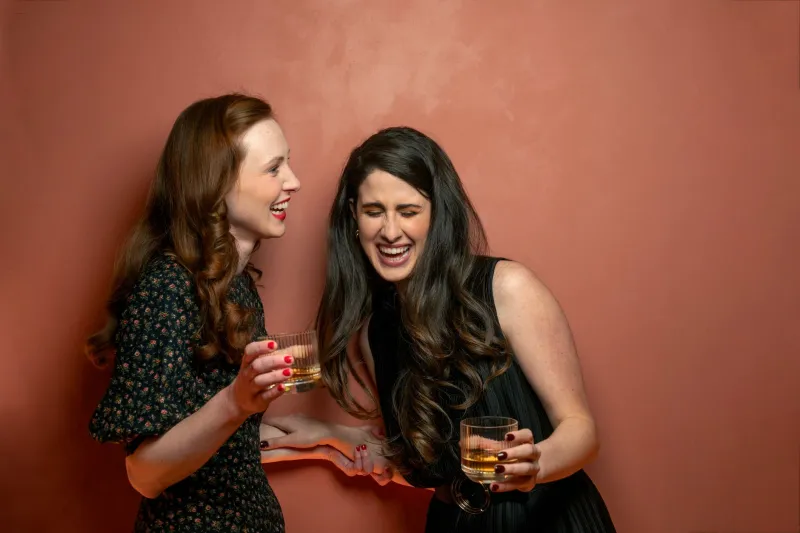
Then there's the laugh. A genuine laugh involves the whole face, including the eyes crinkling at the corners (what researchers call a Duchenne smile). A performed laugh tends to stay mostly in the mouth region. Next time you're watching a late-night interview, pay attention to which one you're actually seeing.
Posture matters too. Celebrities who are comfortable and unguarded tend to shift around, lean in, take up space naturally. Stars who are "on" tend to hold themselves with a kind of rigid, camera-ready stillness — even when the host is asking them about their dog.
Social Media Patterns That Give It Away
The internet never forgets, and it's getting increasingly good at pattern recognition. Audiences have started noticing some telling inconsistencies in how certain celebrities present themselves online versus in unscripted moments.
One major red flag: the perfectly timed vulnerability post. If a celebrity drops an emotional, confessional caption within 48 hours of a project announcement, a tabloid story, or a public controversy — that's not a coincidence. Real emotional processing doesn't follow a PR calendar.
Another tell is aesthetic consistency during supposedly "messy" periods. If someone is publicly going through a hard time but their posts maintain the same lighting, filter, and compositional quality as their sponsored content, someone is still very much managing the narrative. Actual chaos doesn't look that curated.
Conversely, some celebrities genuinely do use social media as a pressure valve, and it shows. Posts that go up at weird hours, captions that feel unedited, photos where the framing is slightly off — these are often the moments that feel most real precisely because nobody optimized them.
Case Studies in the Authenticity Gap
Without naming every name and starting a lawsuit, let's talk patterns. There's a certain category of celebrity who built an entire brand around being "not like other famous people" — the relatable one who shops at Target, the one who answers their own DMs, the one who's refreshingly honest about their insecurities. And then, inevitably, behind-the-scenes footage leaks, or a former assistant gives an interview, and the image cracks.
The gap between the public persona and the private reality isn't always malicious — sometimes it's just the natural result of living under constant scrutiny. But audiences feel the betrayal acutely when they realize they've been bonding with a character rather than a person.
On the flip side, some celebrities have accidentally become more beloved by being caught off-guard. Unscripted moments — a genuine reaction to winning an award, an awkward stumble on a red carpet, an unrehearsed response to a fan — often generate more goodwill than any carefully crafted campaign. There's a reason those clips go viral. People can feel the difference, even if they can't always articulate why.
Why We Keep Falling for It Anyway
Here's where it gets complicated: even when we know we're being sold a persona, we often choose to buy in anyway. The parasocial relationship — that one-sided emotional bond audiences form with public figures — is a powerful thing. It fills a genuine psychological need for connection, community, and shared experience.
And honestly? Sometimes the performance is good enough that it doesn't matter. If a celebrity's carefully constructed "authentic" self is warm, funny, and consistently entertaining, audiences tend to extend a lot of grace. The real betrayal isn't the performance — it's when the performance contradicts itself so dramatically that it breaks the spell.
So How Do You Actually Tell the Difference?
A few practical rules of thumb for the discerning pop culture consumer:
Watch the interviews they didn't want to do. Press junkets for passion projects versus contractual obligations look completely different in terms of energy and engagement.
Notice what they never talk about. Genuine people have genuinely off-limits topics that they deflect naturally. Manufactured personas tend to have suspiciously clean, consistent narratives with no real gaps.
Look for behavioral consistency across contexts. Does the celebrity who claims to be super down-to-earth treat service workers the same way they treat interviewers? Candid fan encounters are gold for this kind of research.
Pay attention to the small stuff. Big emotional moments are easy to perform. The micro-interactions — how someone reacts when they think the camera is off, how they talk about people they have no reason to impress — tend to be where the real personality shows up.
At the end of the day, celebrities are human beings doing an incredibly strange job under conditions most of us can't fully imagine. Some degree of performance is just survival. But the gap between "protecting your privacy" and "selling a fictional version of yourself" is real, and audiences are getting better at spotting it every day.
The most authentic thing any celebrity can probably do right now? Admit that the line is blurry — and stop pretending otherwise.