Stop Falling for It: The Carefully Scripted World Behind Your Favorite Celebrity's 'Real' Moments
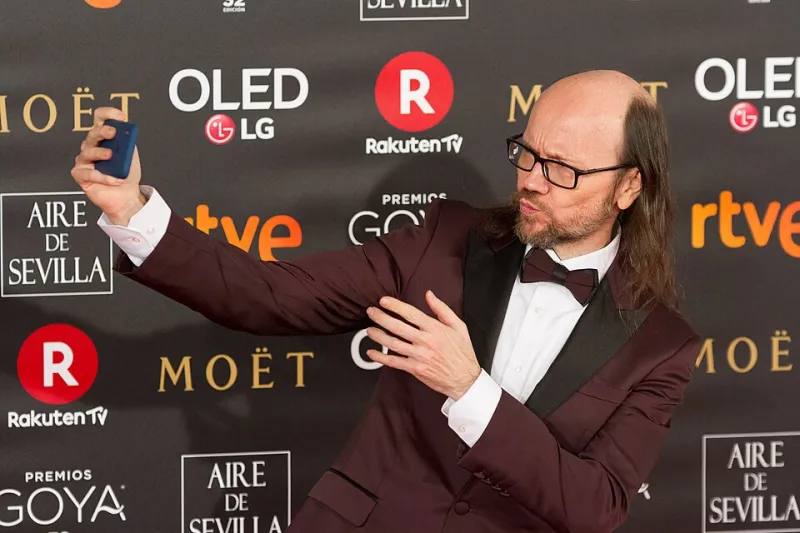
Photo: Carlos Delgado, CC BY-SA 4.0, via Wikimedia Commons
There's a moment you've probably had. You're scrolling through Instagram or TikTok, and suddenly there's your favorite celebrity — no makeup, messy bun, laughing at themselves over a burnt grilled cheese or a Target run gone sideways. And for just a second, you think: wow, they're just like me.
Spoiler alert: they're not. And that moment you just watched? Someone probably spent two hours setting it up.
Welcome to the most sophisticated con in modern entertainment — the Relatable Celebrity Industrial Complex.
The Business of Seeming Normal
Being "real" online is a brand strategy, full stop. What looks like a messy, unfiltered peek behind the curtain is almost always the product of a carefully assembled team: personal PR consultants, social media content strategists, brand managers, and sometimes entire creative agencies whose sole job is to make someone worth $200 million seem like they understand the struggle of a $6 latte.
Industry insiders have been whispering about this for years, but audiences are only now starting to connect the dots. The timing of these "candid" posts is rarely accidental. They tend to drop right before a new project announcement, during a PR crisis that needs softening, or when a celebrity's approval ratings start slipping. Funny how that works.
Content strategists who work with high-profile clients — many of whom won't go on record for obvious reasons — describe a process that's far more clinical than fans would ever imagine. Mood boards. Engagement analytics. A/B testing for captions. Some celebrities even hold monthly content planning sessions where their teams map out the emotional arc of their public persona for the next 30 days, deciding in advance which week to post the "no filter" selfie and which week to share the "I'm struggling too" voice memo.
The Psychology That Makes It Work
None of this would matter if audiences didn't respond to it — and they absolutely do. The concept driving the whole machine is something psychologists call a parasocial relationship: the one-sided emotional bond fans form with celebrities they've never met. Your brain processes repeated exposure to someone's face, voice, and apparent vulnerability the same way it processes actual friendship. It's not a flaw in your thinking; it's just how human brains are wired.
Celebrities and their teams know this. And they exploit it with remarkable precision.
When a major pop star posts a tearful video about how overwhelmed she's feeling, the parasocial instinct kicks in immediately — fans rally, streams spike, the narrative shifts. When an actor shares a shaky phone video of himself cooking a mediocre pasta dinner, engagement shoots through the roof because it triggers that same "they get it" response. The content doesn't have to be real. It just has to feel real.
Dr. social behavior researchers at multiple universities have documented how these manufactured moments actually deepen fan loyalty more effectively than polished, professional content. Imperfection, it turns out, is the ultimate luxury product.
The Moments That Didn't Quite Hold Up
Sometimes the illusion cracks. Remember when a well-known reality TV personality posted a "spontaneous" beach photo that eagle-eyed fans quickly noticed was taken by a professional photographer — complete with lighting equipment visible in the reflection of her sunglasses? Or when a beloved late-night comedian's "home kitchen" video backdrop was later identified as a studio set dressed to look like a cozy apartment?
These slip-ups are more common than most people realize. Fans on Reddit and stan Twitter have built entire communities dedicated to spotting the seams — noticing the ring light glow in a supposedly natural window-lit photo, or clocking that the "random" restaurant a celebrity "just happened to stop by" is owned by their manager's brother-in-law.
The backlash, when it comes, tends to be sharp but short-lived. Audiences are forgiving — partly because they're emotionally invested, and partly because the next round of "authentic" content is already loading in their feed.
The New Tier: Micro-Authenticity
As audiences have grown savvier, the strategy has evolved. Blanket "relatable" content is giving way to something more targeted — call it micro-authenticity. Instead of generic "I'm just like you" posts, celebrities now deploy carefully crafted vulnerability in specific doses. A confession about therapy. A candid moment about a complicated family relationship. A post about struggling with body image that conveniently aligns with a wellness brand partnership announcement the following week.
The emotional specificity makes it feel more genuine. It's harder to dismiss a detailed, personal-seeming story than a generic selfie. But the architecture underneath is the same: strategic, timed, and designed to maximize emotional resonance and brand equity simultaneously.
So What Do We Do With This?
Here's the uncomfortable truth: knowing this doesn't necessarily make the content less enjoyable. Plenty of people watch magic shows fully aware that it's an illusion. The experience still delivers something real — entertainment, connection, a moment of feeling seen.
But there's a difference between choosing to enjoy the performance and being unaware it's a performance at all. When fans make purchasing decisions, voting choices, or form genuine emotional dependencies based on a persona that's been engineered in a conference room, the stakes get a little higher.
The relatable celebrity isn't going anywhere. If anything, the content is only going to get more sophisticated, more emotionally precise, and harder to distinguish from the real thing. The least we can do is watch with our eyes a little more open — and maybe think twice the next time a billionaire's grocery store selfie makes us feel understood.
Because somewhere, a content strategist just got a notification that it performed exactly as planned.